
Introduction
Building a swimming pool is a detailed and carefully planned process that involves multiple stages, expert coordination, and precise execution. Many homeowners researching Swimming pool construction cost often want to understand what exactly goes into building a pool before starting the project. Knowing the full scope of swimming pool construction helps property owners make informed decisions, set realistic expectations, and ensure long-term performance and safety.
Swimming pool construction is not just about digging a hole and filling it with water. It is a systematic process that integrates design, engineering, materials, plumbing, electrical systems, and finishing work to create a durable and functional pool.
1. Initial Consultation and Site Evaluation
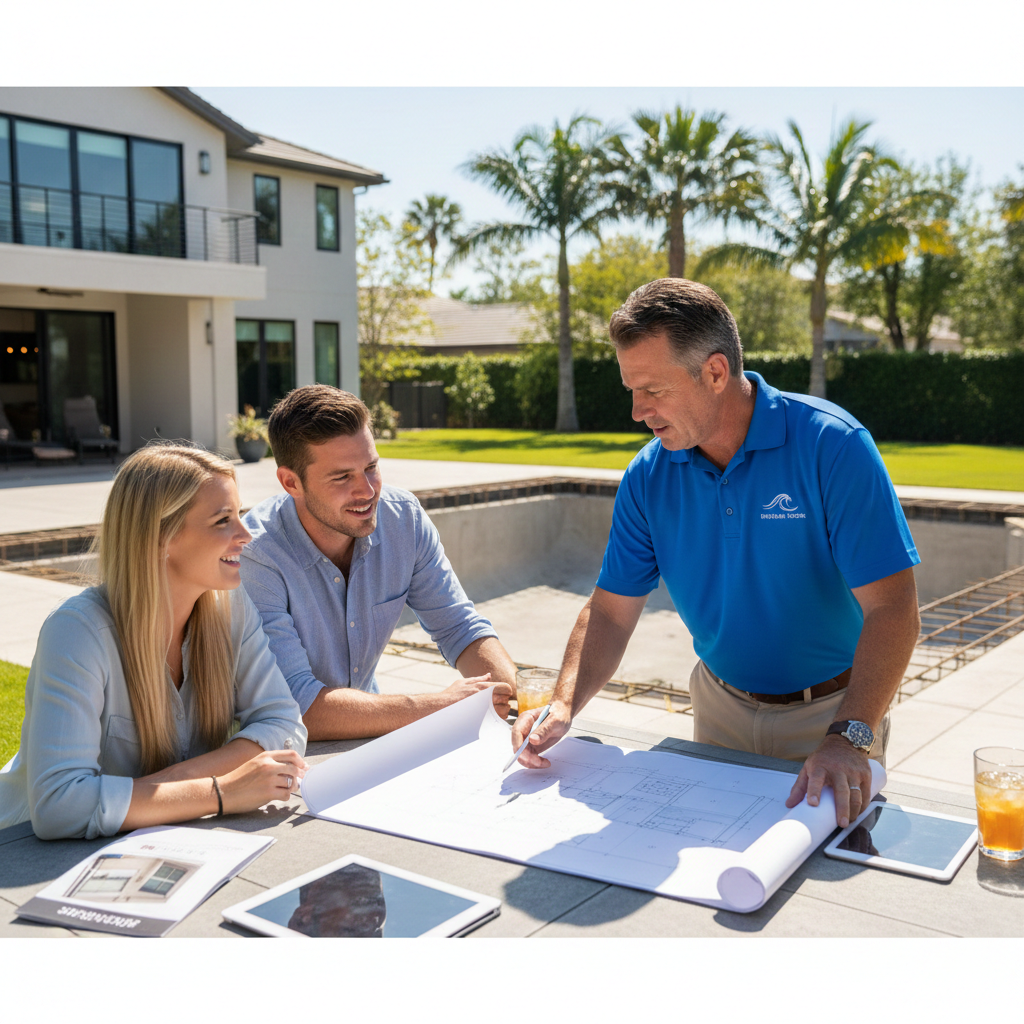
Every swimming pool construction project begins with a professional site evaluation. This step ensures that the pool design aligns with the available space, soil conditions, drainage, and surrounding structures.
Key aspects of site evaluation include:
Soil testing and ground stability assessment
Checking access points for construction equipment
Evaluating sunlight exposure and wind direction
Reviewing property boundaries and safety regulations
This stage lays the foundation for a successful pool build.
2. Pool Design and Planning
Once the site is assessed, the design phase begins. Pool design is customized based on the client’s preferences, usage needs, and property layout.
Design planning includes:
Pool shape and size selection
Depth configuration
Entry and exit points such as steps or ladders
Placement of filtration systems and drainage
Safety features and compliance requirements
A well-planned design ensures both functionality and visual appeal.
3. Excavation and Ground Preparation
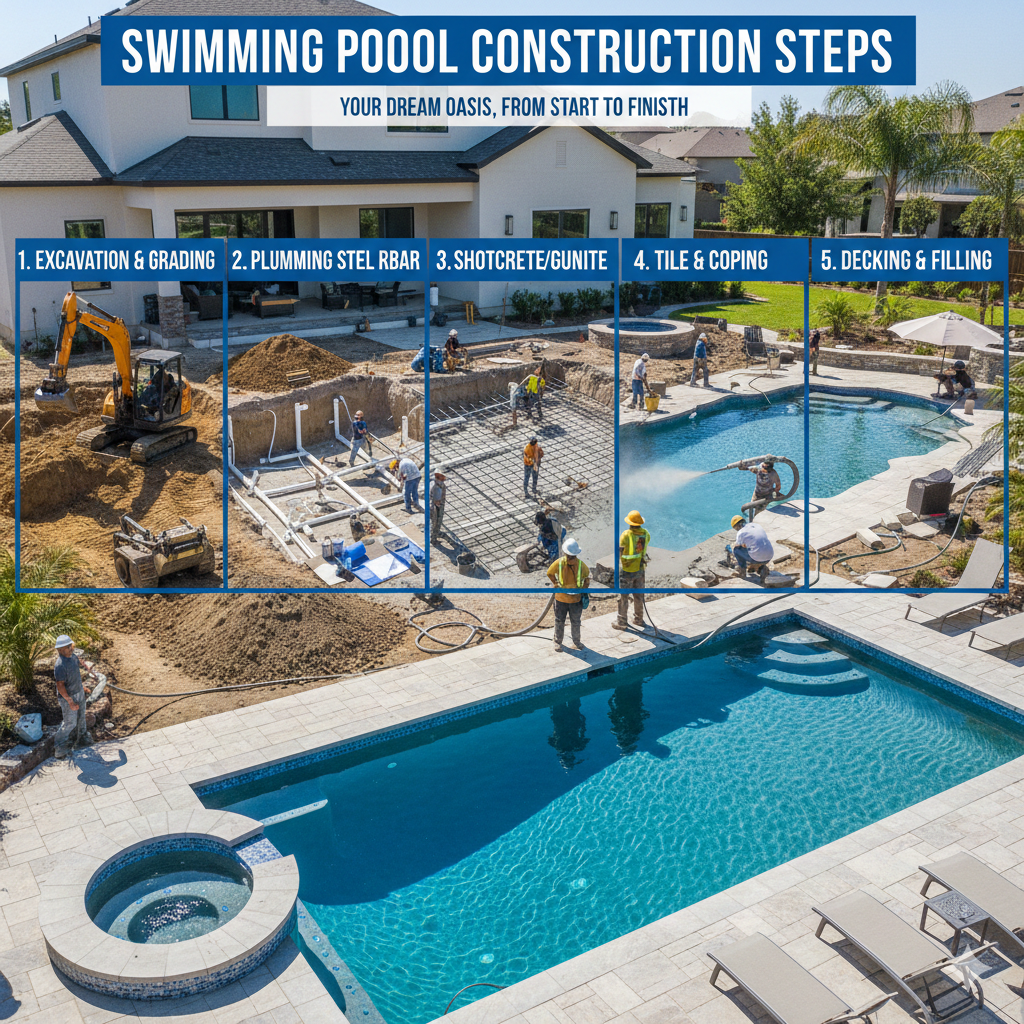
Excavation is one of the most visible stages of pool construction. Heavy machinery is used to dig the pool area according to the approved design specifications.
This stage involves:
Marking pool dimensions accurately
Excavating soil to required depth
Leveling and compacting the base
Removing excess soil safely
Proper excavation ensures the pool structure remains stable over time.
4. Structural Framework and Reinforcement
After excavation, the structural framework is installed. This includes steel reinforcement that provides strength and durability to the pool shell.
Key components include:
Steel bars arranged in a grid pattern
Reinforced walls and base
Structural support for steps and ledges
Strong reinforcement is critical for handling water pressure and preventing cracks.
5. Plumbing and Electrical Installation
Plumbing and electrical systems are essential for pool functionality. This phase ensures efficient water circulation, filtration, and lighting.
Plumbing systems include:
Inlet and outlet pipes
Drainage systems
Filtration and circulation lines
Electrical work includes:
Pool lighting systems
Control panels
Safety grounding
All installations follow safety and compliance standards.
6. Pool Shell Construction
The pool shell forms the main structure of the pool. Depending on the chosen construction method, the shell may be created using concrete, shotcrete, or other reinforced materials.
This stage ensures:
Structural integrity
Smooth surfaces for finishing
Proper alignment with plumbing fixtures
The shell must cure properly before further work begins.
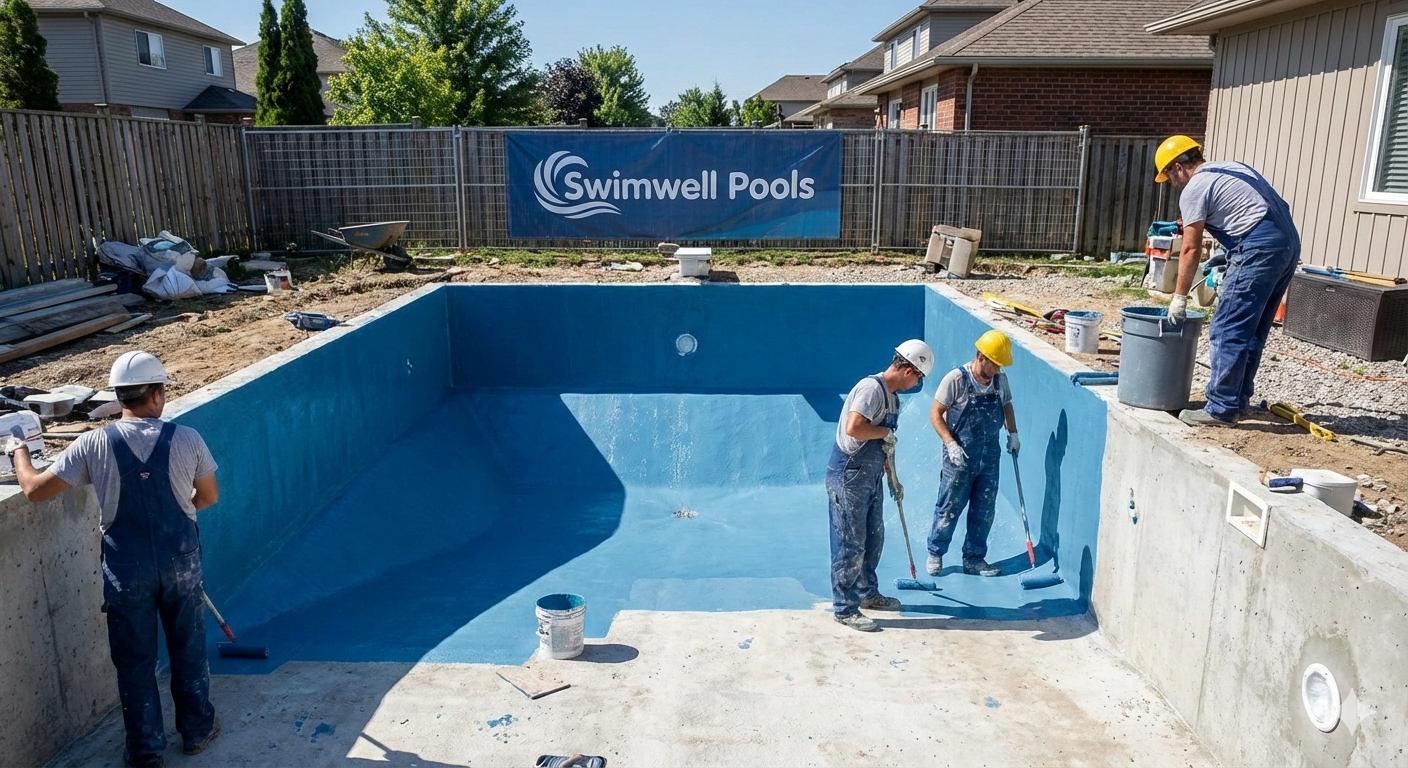
7. Waterproofing and Surface Preparation
Waterproofing is a crucial step that protects the pool structure from leaks and moisture damage.
This process includes:
Application of waterproof coatings
Sealing joints and corners
Surface smoothing for final finishes
Effective waterproofing ensures long-term durability and performance.
8. Pool Finishing and Interior Surface
The interior finish determines the pool’s appearance and comfort. Common finishing options include tiles, textured coatings, or other durable surfaces.
Finishing work involves:
Installing pool tiles or finishes
Creating non-slip surfaces for steps
Ensuring smooth waterline edges
This stage transforms the pool into a visually appealing feature.
9. Decking and Surrounding Area Development
The pool area is completed with decking and surrounding landscaping to enhance safety and aesthetics.
Decking features include:
Slip-resistant surfaces
Proper drainage
Safe walking zones around the pool
Well-designed surroundings improve usability and overall appeal.
10. Installation of Pool Equipment
Essential pool equipment is installed to ensure proper operation and maintenance.
Equipment includes:
Filtration systems
Pumps and motors
Skimmers and drains
These systems work together to maintain clean and circulating water.
11. Testing and Quality Inspection
Before the pool is handed over, thorough testing is conducted to ensure everything functions correctly.
Inspection includes:
Checking plumbing for leaks
Testing filtration and circulation systems
Inspecting electrical components
Ensuring safety compliance
Testing ensures the pool is ready for safe use.
12. Final Handover and Maintenance Guidance
Once testing is complete, the pool is handed over to the owner. At this stage, professionals provide guidance on:
Basic pool operation
Water care practices
Safety precautions
Routine maintenance requirements
Proper guidance helps maintain the pool’s condition long-term.
Why Understanding the Construction Process Matters
Knowing what is included in swimming pool construction helps homeowners:
Avoid misunderstandings during the project
Ensure quality workmanship
Plan usage effectively
Maintain realistic expectations
When people research Swimming pool construction, understanding the full process helps them choose experienced professionals and achieve better results.
Conclusion
Swimming pool construction is a multi-step process that requires technical expertise, planning, and attention to detail. From site evaluation and design to structural work, plumbing, finishing, and testing, each stage plays a vital role in building a durable and safe pool. Choosing experienced professionals ensures that every phase is handled with precision and care. With a commitment to quality construction and long-term performance, Swimwell Pools delivers reliable and expertly crafted swimming pools. Homeowners seeking dependable construction solutions can trust Swimwell Pools for excellence in pool design, execution, and delivery.
Frequently Asked Questions (FAQs)
1. What are the main stages of swimming pool construction?
Site evaluation, design, excavation, structural work, plumbing, finishing, and testing.
2. Why is site evaluation important before construction?
It ensures soil stability, proper drainage, and compliance with safety standards.
3. What materials are used in pool construction?
Structural reinforcement, waterproofing layers, and durable finishing materials.
4. How long does the construction process usually take?
The timeline varies depending on design complexity and site conditions.
5. Is waterproofing necessary in swimming pool construction?
Yes, it prevents leaks and protects the pool structure.
6. What equipment is installed during construction?
Pumps, filters, circulation systems, and lighting components.
Read Our Previous Blog-------------> How often is swimming pool maintenance required?




Write a comment ...