
Introduction
When planning a custom pool project, many homeowners begin by researching Swimming pool construction cost India to understand the overall process and what factors influence the investment. However, beyond the cost, it’s important to know the complete step-by-step journey of Swimming pool construction, from the first design sketch to the final splash. Building a pool is a detailed engineering task that involves planning, excavation, structural work, plumbing, filtration systems, finishing, and quality checks. Understanding these steps helps you prepare better and ensures you choose the right swimming pool builder.
In this comprehensive guide, we will walk you through each stage of the construction process so you know exactly what to expect when creating your dream swimming pool.
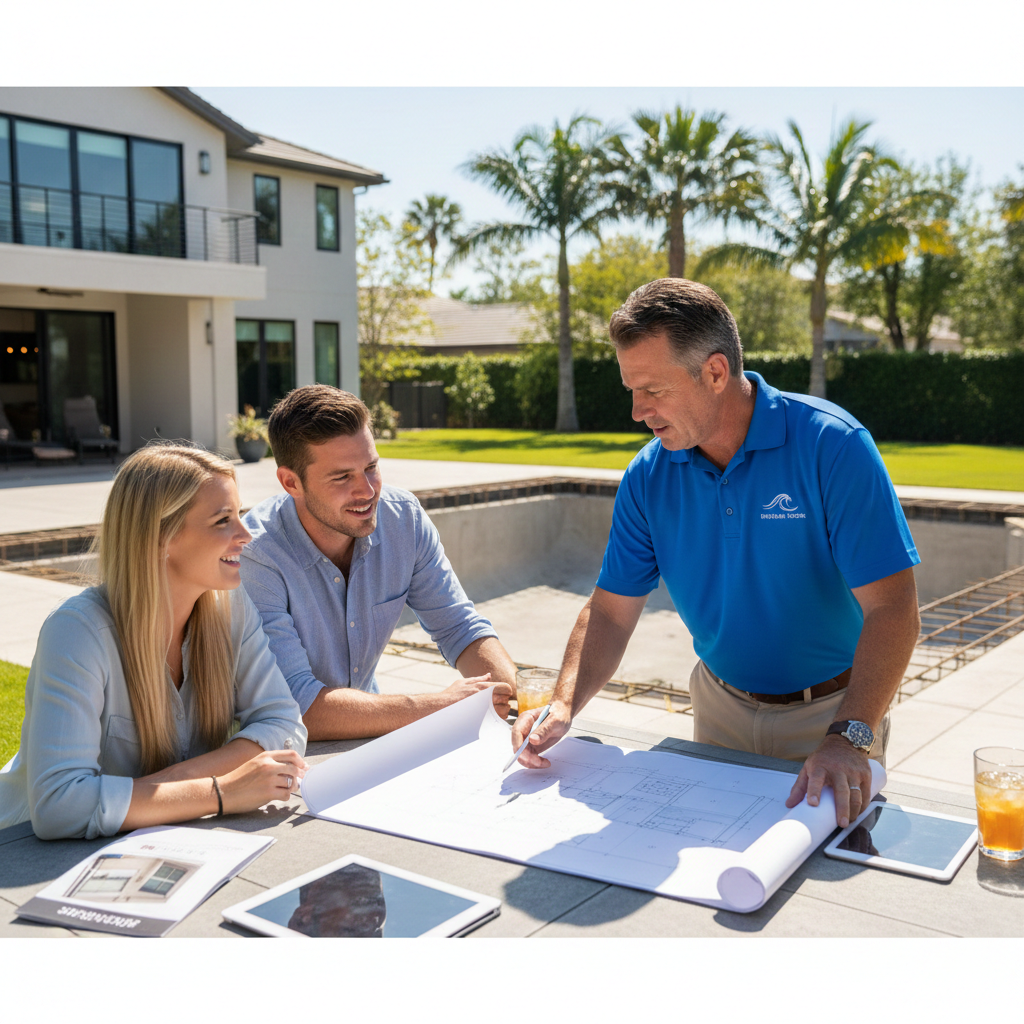
1. Initial Consultation & Site Assessment
Every swimming pool project begins with a detailed consultation. This stage involves:
Understanding Client Requirements
Professionals discuss preferred pool size, style, depth, shape, features, and purpose (recreation, exercise, aesthetics, or commercial use).
Space Evaluation
Experts visit the site to study:
Soil type
Landscape and elevation
Sun exposure
Access for construction equipment
Proximity to buildings, boundaries, and vegetation
A proper assessment ensures the pool’s structure is safe, durable, and suitable for the environment.
2. Design & Planning Phase
A well-designed pool is the foundation of a successful project.
Conceptual Design
Designers create 2D drawings and sometimes 3D digital models to help you visualize:
Pool shape and layout
Steps and seating areas
Placement of lighting and water features
Decking and surrounding elements
Technical Blueprint
Engineers prepare detailed plans for:
Structural reinforcement
Plumbing layout
Electrical systems
Filtration and circulation pathways
Drainage solutions
This stage ensures accuracy during construction and long-term durability.
3. Approval & Documentation
Depending on your location and the scale of the project, certain approvals may be required. The documentation process may include:
Structural safety approvals
Local authority permissions
Technical compliance checks
Pool companies assist in obtaining the necessary certificates and permissions.
4. Pool Marking & Excavation
Once planning is complete, the physical work begins.
Site Marking
The excavation area is outlined based on measurement drawings, including pool walls, steps, and surrounding deck.
Excavation Work
Using heavy machinery, the soil is removed to the exact depth and shape. This is a critical step because precision affects the stability and final shape of the pool.
Leveling & Soil Preparation
The base is compacted and leveled to create a solid foundation for the upcoming structure.
5. Steel Reinforcement Framework
After excavation, steel bars are installed to form the structural skeleton.
Rebar Installation
Experts arrange steel rods strategically around:
Pool floor
Walls
Steps
Curves and corners
This reinforcement ensures the pool can withstand pressure, water load, and soil movement.
Advanced Engineering
In areas with soft soil or sloped land, additional reinforcement or soil stabilization may be added.
6. Plumbing & Electrical Installation
Plumbing is one of the most essential systems for a pool’s performance.
Plumbing Setup Includes:
Suction lines
Return lines
Skimmers
Main drain
Overflow pipes
Jet and feature pipelines
A well-planned plumbing system ensures proper filtration, circulation, and water clarity.
Electrical Systems
Electricians install conduits for:
Underwater lights
Pumps and filtration
Automation systems
Heating or temperature control units
Safety and accuracy are top priorities during this stage.
7. Formwork & Concrete Application
Once steel and plumbing are set, the pool begins to take shape.
Concrete Shell Formation
Depending on the pool design, companies may use:
Shotcrete
Gunite
RCC method
Concrete is sprayed or poured over the steel framework to form strong walls and floors.
Shaping & Smoothing
The concrete is sculpted while wet to create perfect curves, steps, and edges.
Curing Period
The concrete shell is left to cure and harden, ensuring long-term structural strength.
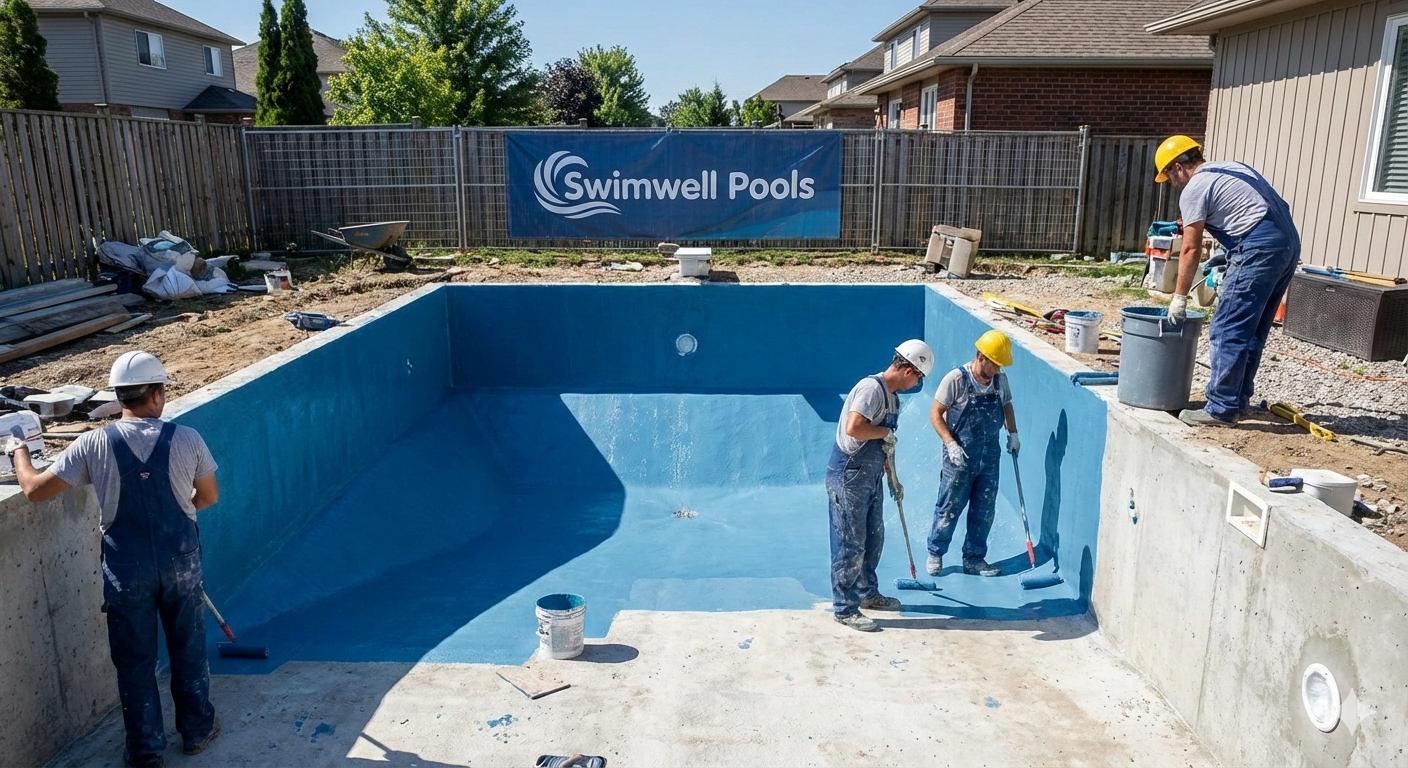
8. Waterproofing Layer
Waterproofing is essential to protect the pool structure from leaks and seepage.
Common Methods Include:
Liquid membrane
Cementitious coating
Multi-layer waterproofing compounds
Professionals apply multiple coats to ensure a durable, water-tight surface.
9. Tiling & Interior Finishing
This stage brings visual beauty to the pool.
Tile Installation
Tiles may be ceramic, porcelain, glass mosaic, or natural stone. They are placed on walls, floors, steps, and borders.
Coping & Edge Work
Stone or concrete coping is installed around the pool rim for safety and aesthetics.
Pool Surface Finishes
Depending on the design, the pool may receive:
Plaster finish
Pebble finish
Quartz aggregate
Smooth render coating
Each finish is chosen based on look, durability, and maintenance needs.
10. Decking & Surrounding Area Development
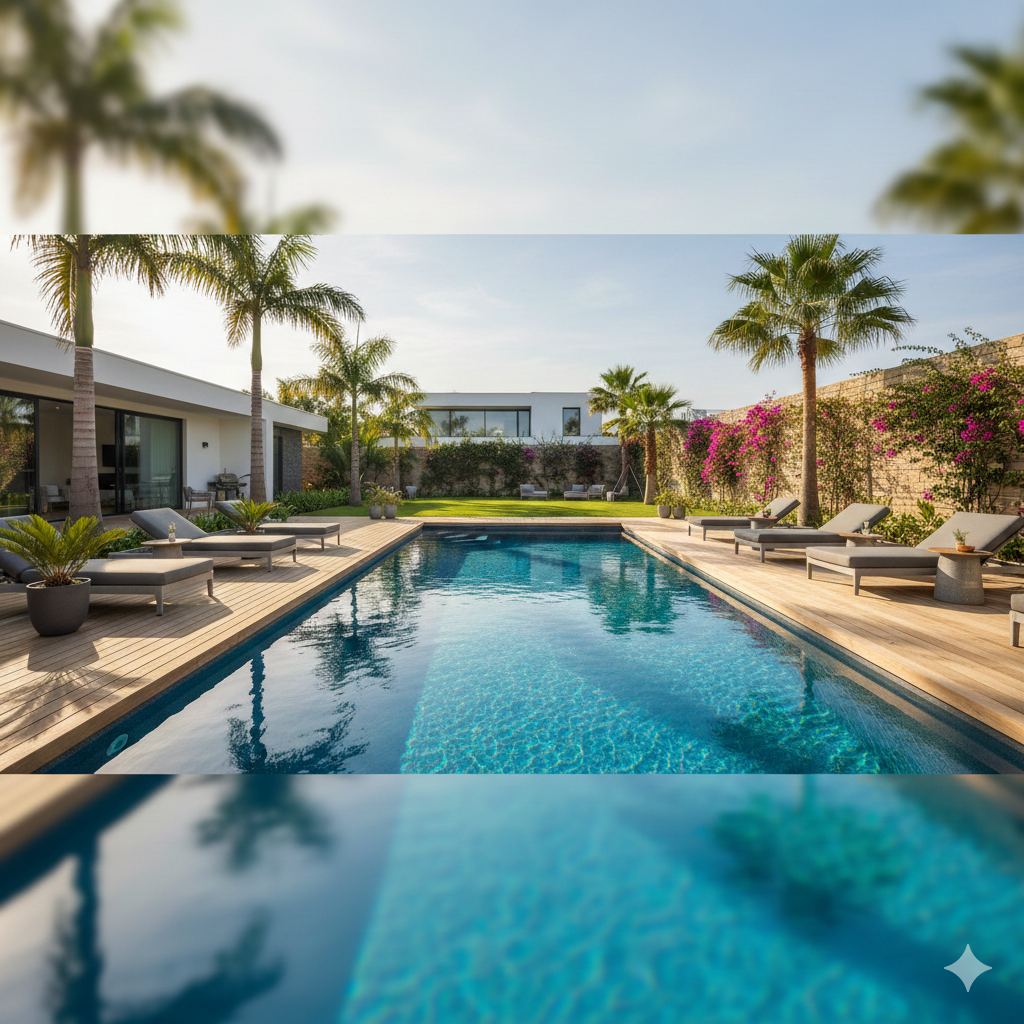
The pool deck is constructed around the pool for comfort and functionality.
Deck Material Options
Stone pavers
Wooden decks
Textured concrete
Tiles
Composite material
Lighting fixtures, landscaping, and seating areas may also be added to enhance the pool’s ambiance.
11. Equipment Installation & System Setup
Professionals install all essential equipment to make the pool operational.
Equipment Installed Includes:
Filtration units
Pumps
Valves
Skimmers
Chlorination or purification system
LED underwater lights
Pool automation systems may also be added for easy control of lighting, jets, and cleaning.
12. Water Filling & Balancing
Once all structural and finishing work is done, the pool is filled with water.
Chemical Balancing Includes:
pH adjustment
Chlorine and sanitizer setup
Alkalinity balancing
Water circulation testing
This ensures the pool is safe and ready for use.
13. Final Testing & Handover
Before the final handover, the construction team performs:
Comprehensive Testing
Leak tests
Pump and filtration checks
Lighting tests
Deck inspection
Equipment functionality evaluation
Client Orientation
The company explains how to:
Maintain equipment
Clean the pool
Operate automation
Ensure safety
Manage seasonal care
After this, the pool is officially ready for enjoyment.
Conclusion
The process of building a pool is a detailed, multi-phase project that requires careful planning, precise engineering, and professional execution. Swimming pool construction cost India , From site inspection and structural work to finishing details and system installation, each step plays a vital role in the pool’s performance and longevity. A well-structured swimming pool project ensures durability, safety, and long-term enjoyment. For a smooth and expertly managed experience, Swimwell Pools delivers high-quality solutions backed by technical expertise and professional service. With a commitment to excellence and customer satisfaction, Swimwell Pools ensures your dream pool becomes a reality through a complete and structured approach.
FAQs
1. What is the first step in swimming pool construction?
The initial consultation and site assessment is the first step in the process.
2. How long does pool construction take?
The duration varies depending on design, size, materials, and site conditions.
3. Is waterproofing necessary?
Yes, it protects the pool from leaks and structural damage.
4. What materials are used for pool construction?
Concrete, tiles, steel reinforcement, plumbing equipment, and waterproofing compounds.
5. Do all pools require decking?
Decking is recommended for safety, aesthetics, and easier access.
6. Can I customize the pool shape and depth?
Yes, concrete pools allow full customization of shape, size, and style.
Read Our Previous Blog------------->What types of pools can swimming pool companies build?




Write a comment ...